
Stakeholder Advisory Council
The Stakeholder Advisory Council of the Coalition for National Trauma Research includes one representative of each Stakeholder member organization along with at least one designee from the Board of Directors. Members of the Advisory Council serve a three-year term and are eligible to serve a second term.
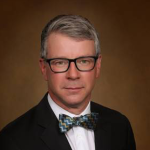
Mitchell Cohen, MD, FACS
Western Trauma Association
Learn More
In addition, the Cohen research group transnationally studies similar topics through multiple clinical characterization and interventional trials aimed at elucidating the post trauma coagulation milieu and optimal resuscitation and treatment. The Cohen group has an active interest in in silico data and model driven approaches to modeling of biological and physiologic systems. His group has done extensive work on the use of Big Data, machine learning and artificial intelligence toward improving personalized medicine and outcomes. His work includes multi scale modeling projects ranging from coagulation and endothelial biology to causal inference prediction of patient physiologic state and trajectory.
Taken together, Dr. Cohen’s work seeks to understand the biological and physiological phenotypic milieu after any threat or injury towardsthe goal of identifying patient phenotypes and trajectories and providing real time dynamic individualized medical countermeasures.

Colleen Trevino, PhD, FNP, AGACNP
Society of Trauma Nurses
Learn More
Colleen Trevino, PhD, FNP, is an associate professor at the Medical College of Wisconsin, a nurse practitioner and health outcomes researcher with 22 years of experience treating traumatically injured adults in a Level I trauma center. Her research explores the relationship of bio-psychosocial factors that modulate the pain experience and the transition from acute to chronic pain. She specifically explores the relationship between pain and quality of life indicators such as chronic disability, depression, anxiety, and Post-traumatic distress. She is the Director of the Trauma Quality of Life follow-up clinic, an innovative comprehensive multidisciplinary clinic that addresses all bio-psychosocial needs for recovery in adult firearm injury survivors.
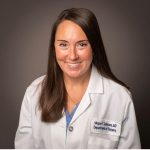
Megan Quintana, MD FACS
American Trauma Society
Learn More
After residency, Megan completed a fellowship in Trauma, Surgical Critical Care, and Acute Care Surgery at Shock Trauma in Baltimore, Maryland. She is now an Assistant Professor of Surgery at the George Washington University. She served as interim Trauma Medical Director at Virginia Hospital Center where she helped establish a level 2 trauma center in 2021. She currently serves as the Director for Acute Care Education at George Washington University Hospital and is the Associate Surgery Clerkship Director. She enjoys teaching and training pre-hospital providers, nursing and other hospital staff, medical students, and residents of different disciplines in current trauma practices. A recent graduate of the Master Teacher Leadership Development Program,
Dr. Quintana is currently finishing her master’s in education. She has been honored to present at the Virginia State EMS Symposium and for the Society of Trauma Nurses. Her most treasured awards are her “Off-Service Attending of the Year Awards” from the GW Department of Emergency Medicine in 2020 and 2022. She has served on the Online Education Committee for EAST and is currently the Subcommittee Co-Chair for Communication and Education for the AAST’s Diversity, Equity, and Inclusion Committee. She is also active in the Education Committee for the AAS. Her research interests include tactical medicine, pre-hospital medicine, and medical education. .
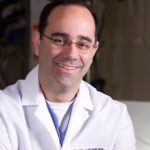
Babak Sarani, MD, FACS, FCCM
Chest Wall Injury Society
Learn More
He began his career as an Assistant Professor of Surgery in the Division of Trauma, Emergency Surgery, and Critical Care Surgery at the University of Pennsylvania. There, he founded the rapid response team for the Hospital of the University of Pennsylvania. This program decreased the incidence of cardiac arrest throughout the Hospital by 42% – a rate that remained stable for the next seven years. He was recruited back to DC in 2011 where he became the Founder and Director of the Center for Trauma and Critical Care at The George Washington University Hospital.
Implementing lessons learned from military medicine regarding rapid triage and transport, Dr. Sarani led efforts to create an aeromedical transfer program to allow for rapid transport of critically injured and ill patients for an 80-mile radius of the hospital. He also created and led a mobile, ground-based intensive care team which allows healthcare providers to deliver highly advanced care before a patient even arrives at GW Hospital.
Most recently, he and GW Hospital led the effort to provide whole blood to the paramedics in the DC Fire Department and to write the protocols which allow them to administer this life-saving modality to critically injured patients.Dr. Sarani is now the Vice Chair and Chair Designate for the American College of Surgeons Committee on Trauma Performance Improvement Program, which is tasked with establishing evidence-based guidelines for trauma care nationally.
He is a member of the Board of Directors of the American Trauma Society, past member of the Board of Directors of the Eastern Association for the Surgery of Trauma, Secretary of the Surgical Critical Care Program Director’s Society, President of the Chest Wall Injury Society, past Chair of the Brady United Against Gun Violence Regional Leadership Council for Washington, DC, and past Editor-in-Chief of the Society of Critical Care Medicine textbook on the Fundamentals of Critical Care Support.

Brian Eastridge, MD, FACS
Military Health System Strategic Partnership with ACS
Learn More
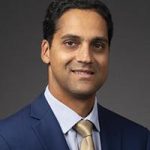
Gerard Slobogean, MD
Orthopedic Trauma Association
Learn More
Dr. M. Gerard-Paul Slobogean is Associate Professor and Director of Clinical Research in the Department of Orthopaedics at the University of Maryland. He specializes in shoulder and elbow orthopedic surgery and orthopedic trauma surgery.
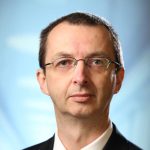
Tomas Drabek, MD, PhD, FASA
American Society of Anesthesiologists
Learn More
Combining the firepower of societies that represent a wide variety of surgical disciplines and other care groups across the trauma continuum can help us secure a national home for trauma research.